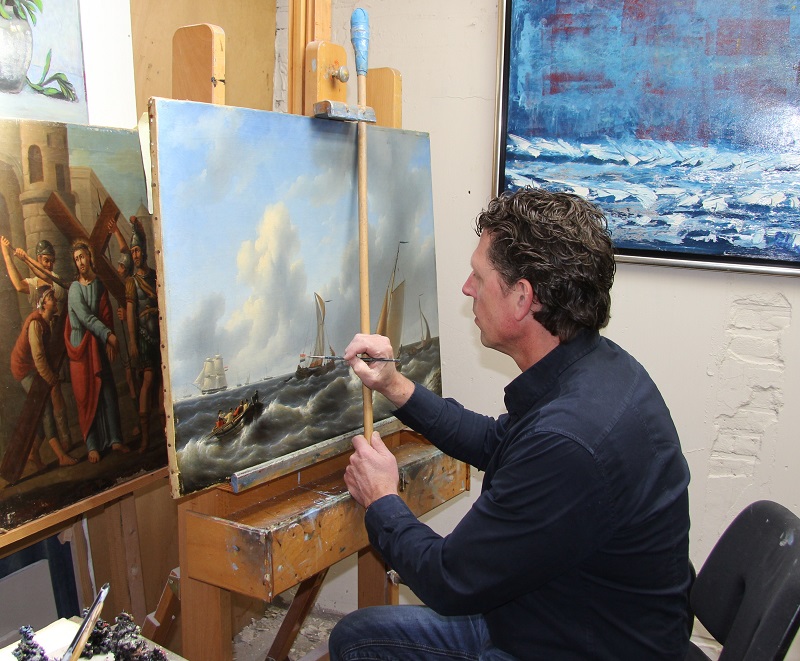
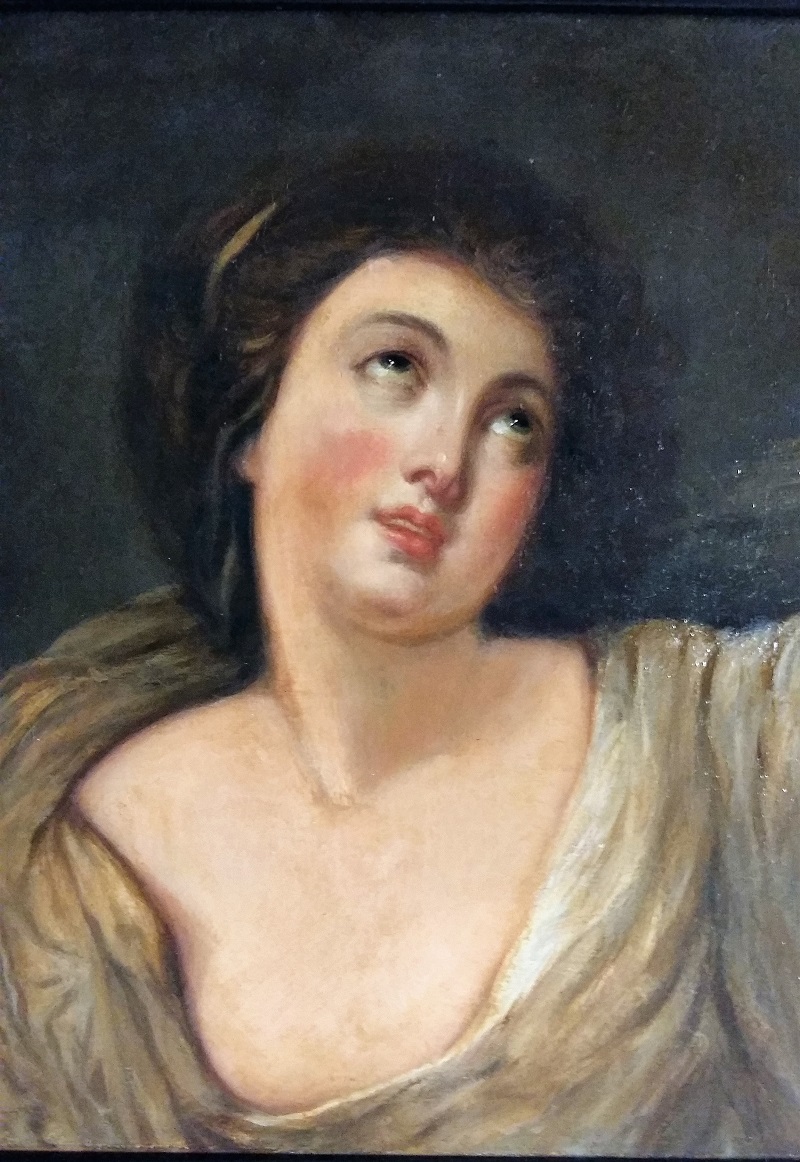
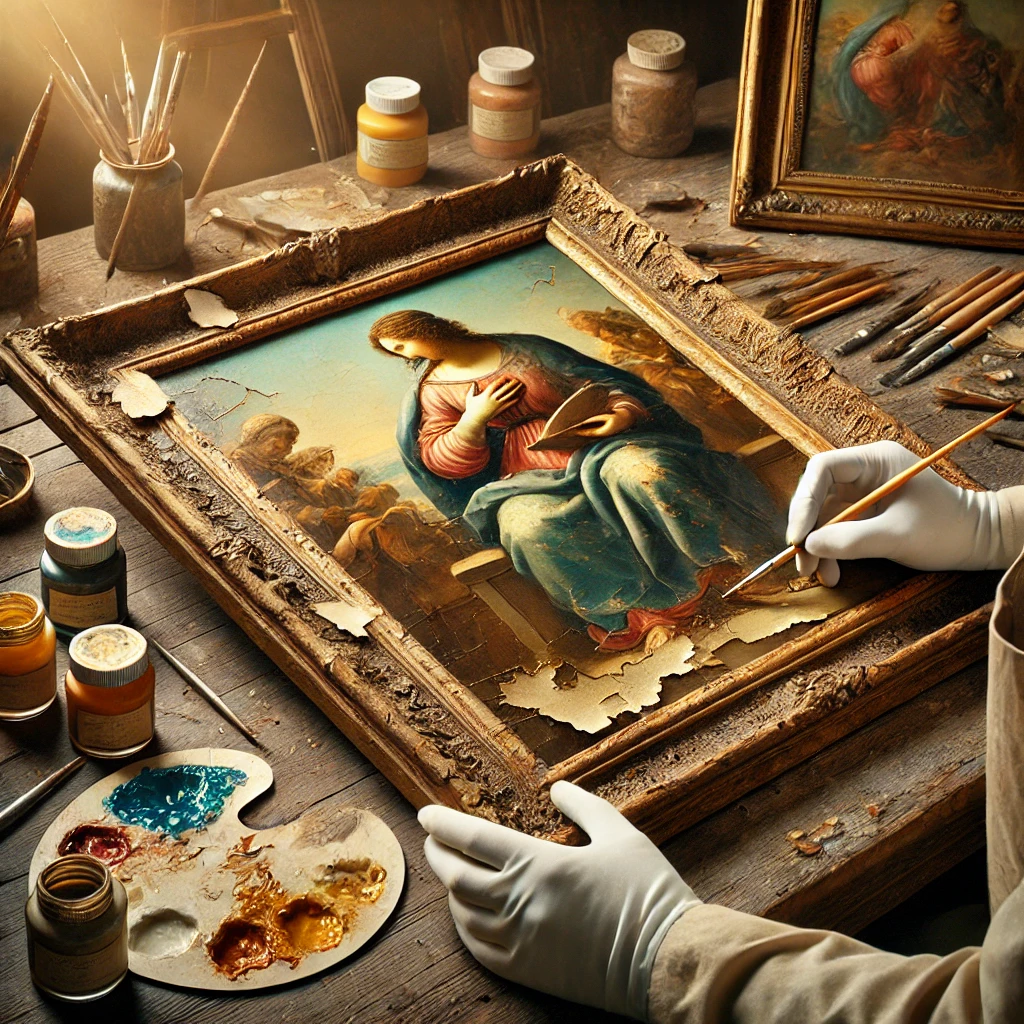
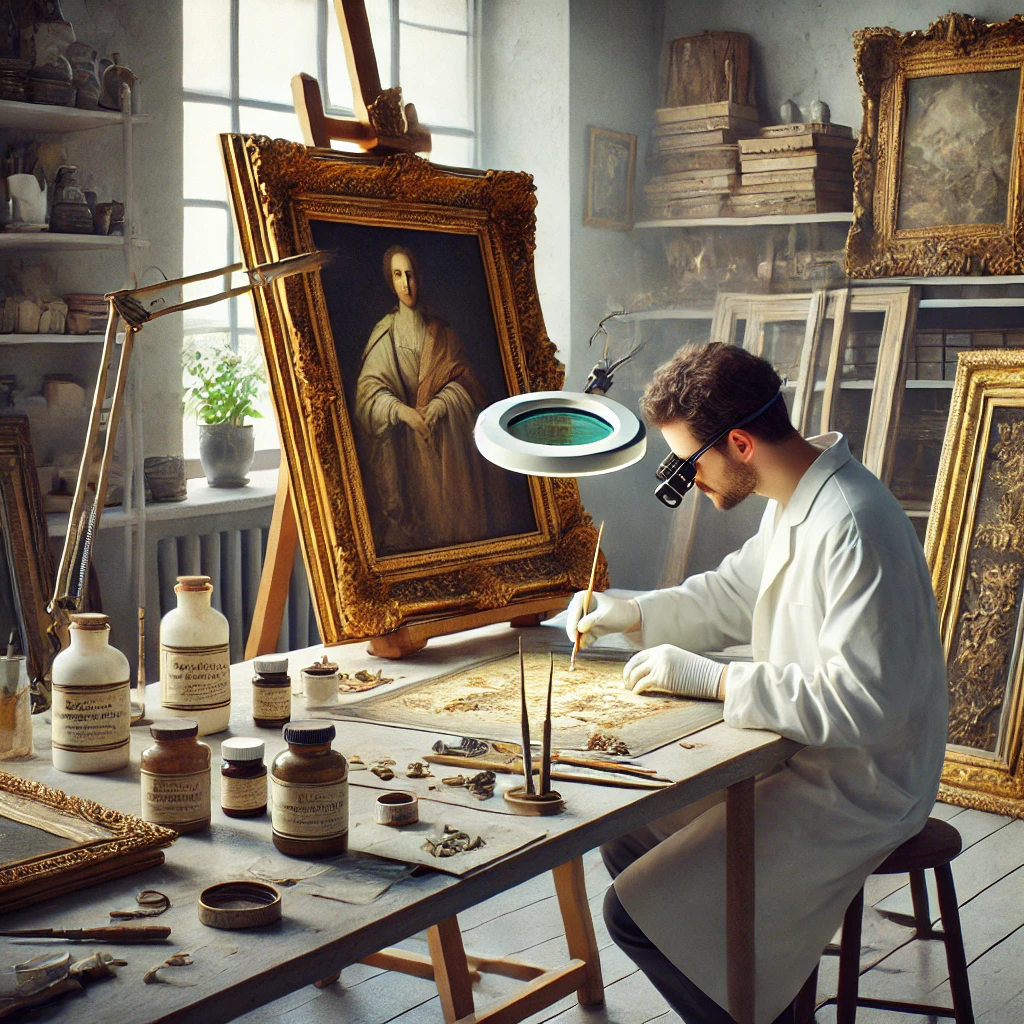
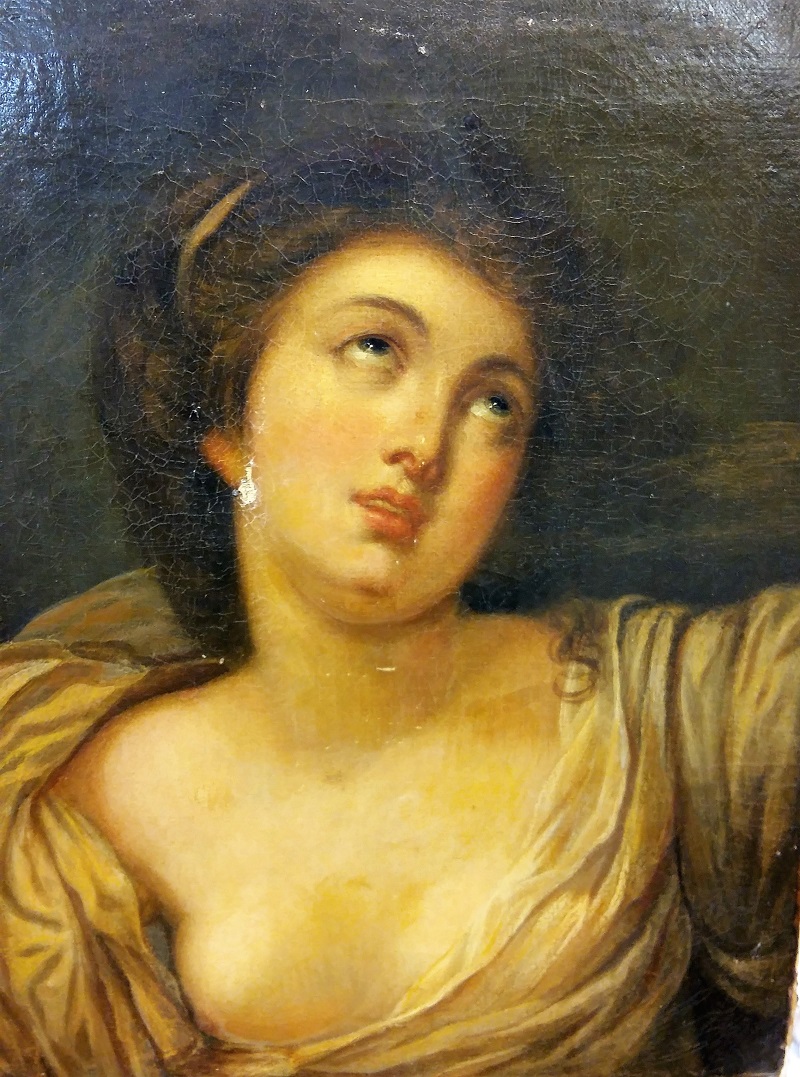
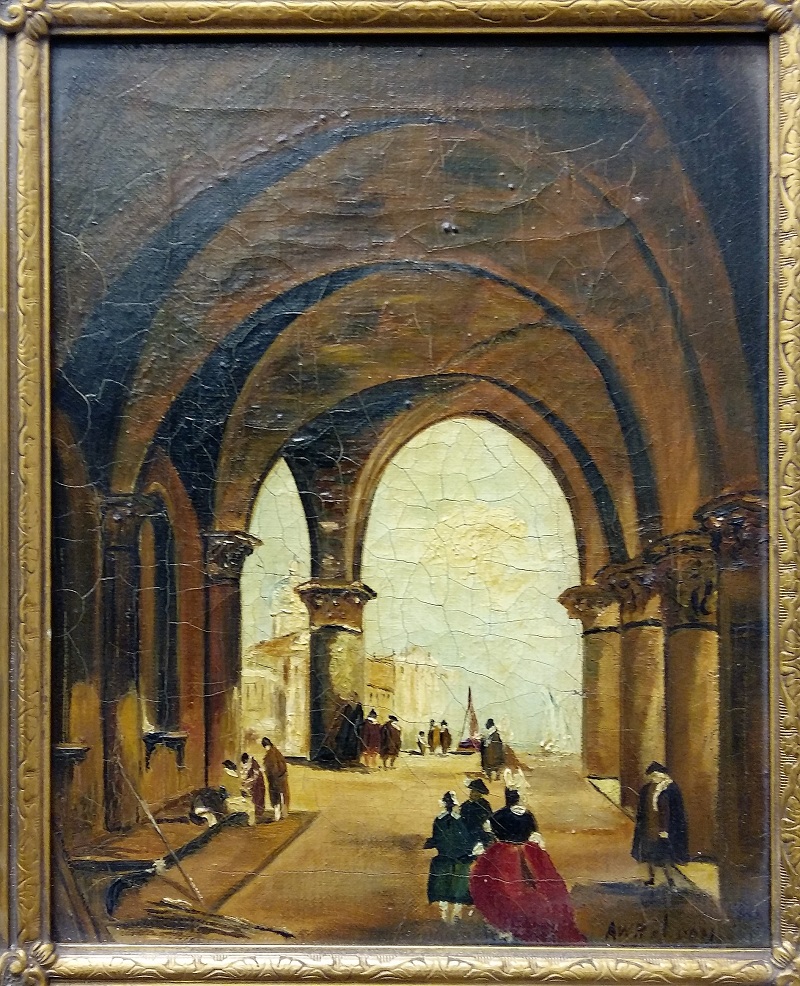
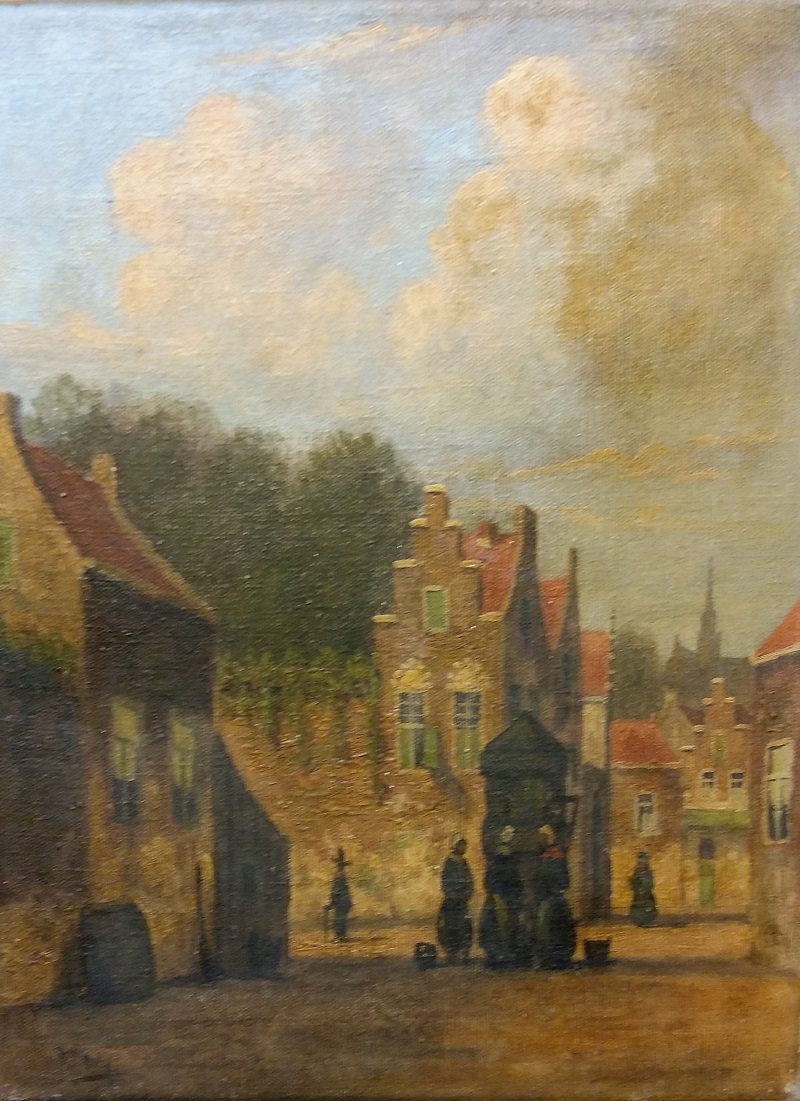
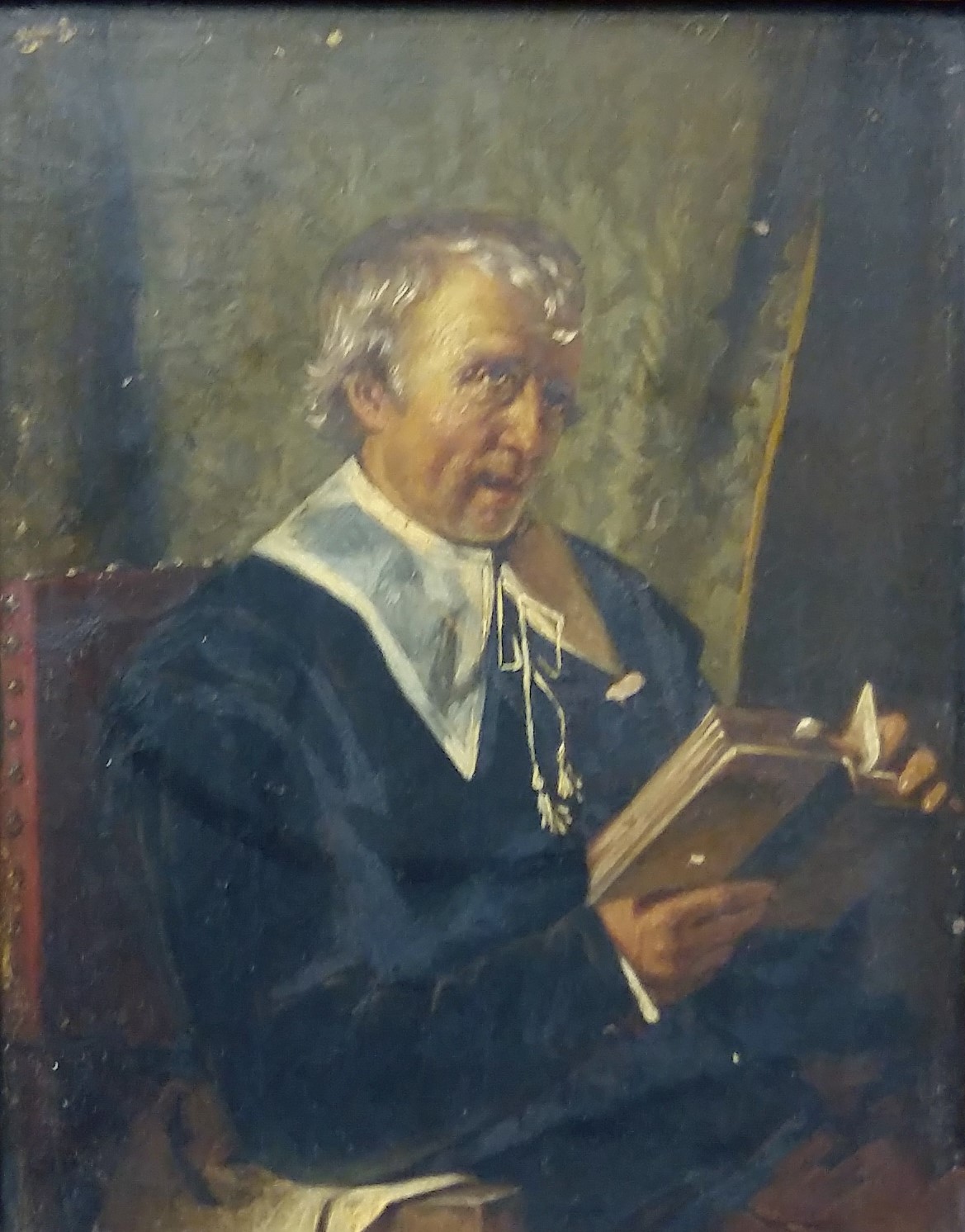
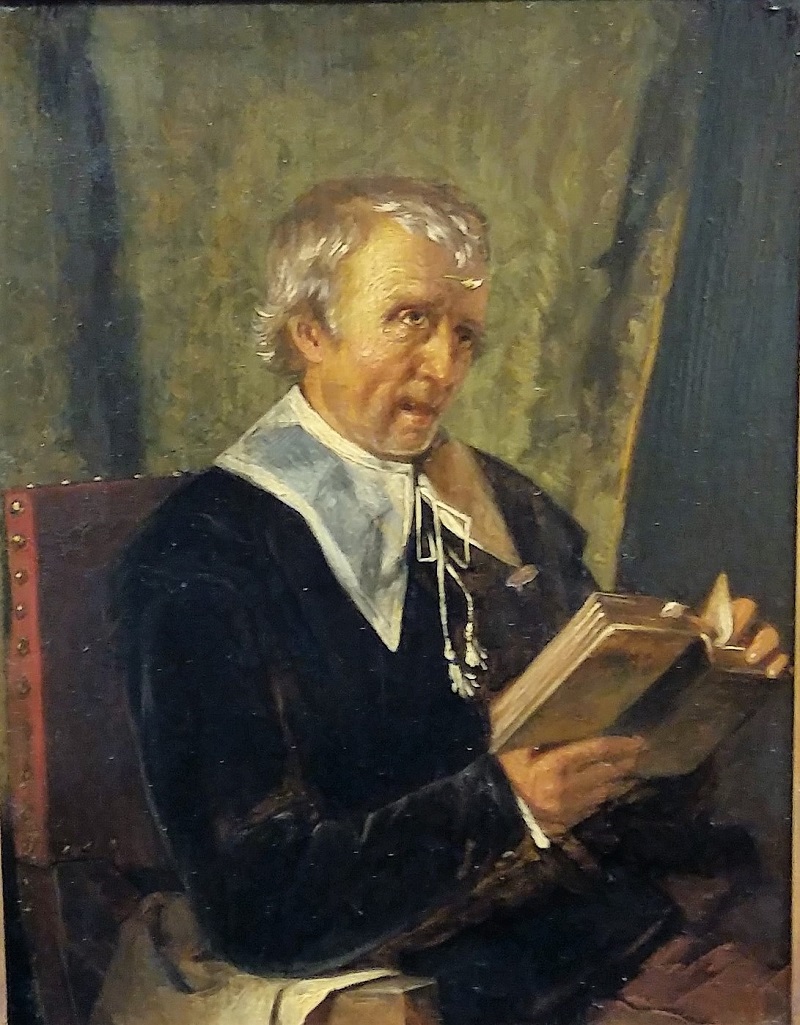
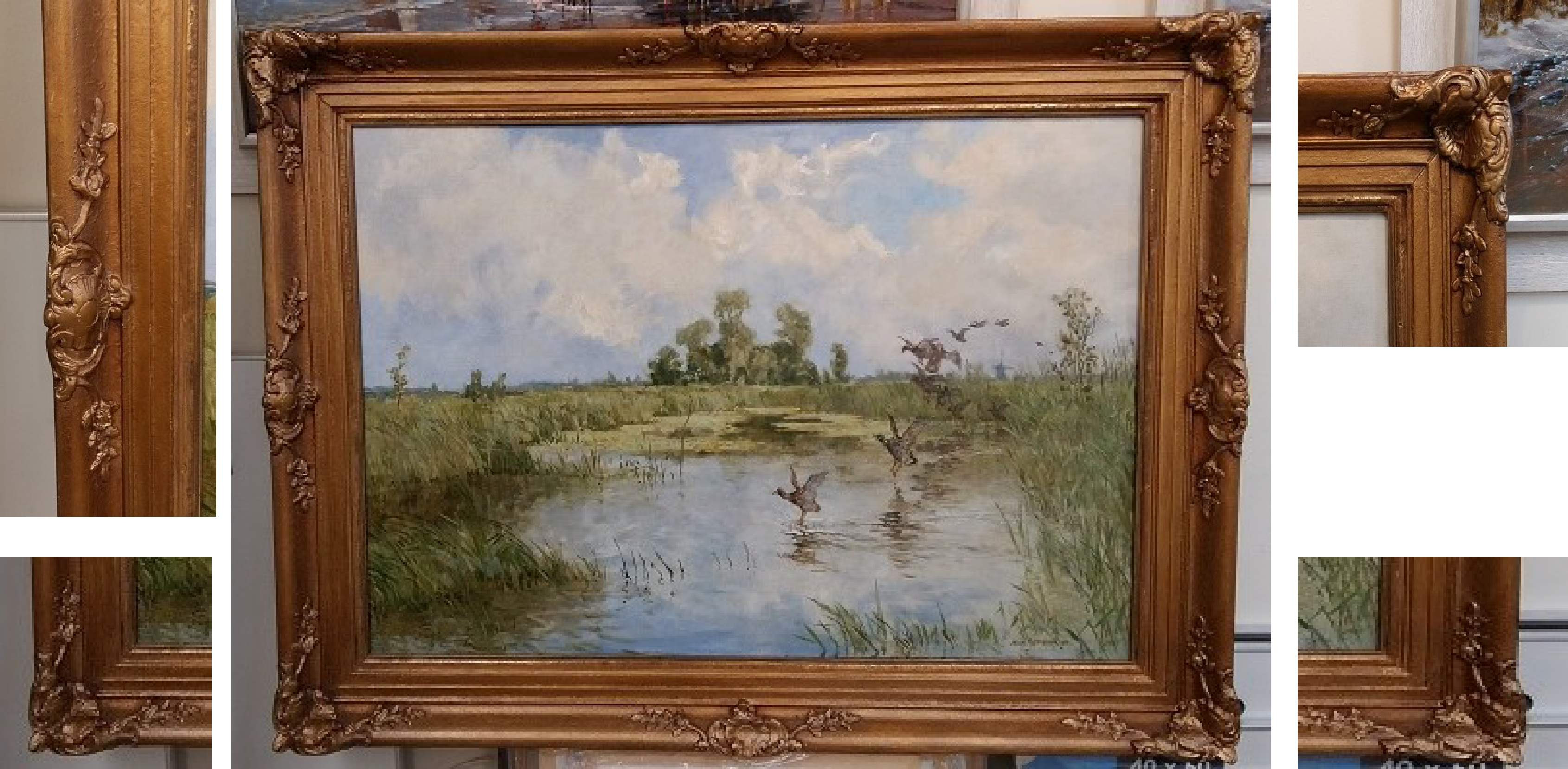
Daleman Framing is always on the move. Since 1967, we’ve grown to become a well-known name in the world of art, frames, and painting restoration. For over fifty years, craftsmanship, attention to detail, and a love for art have been at the heart of what we do. We specialize in professionally framing paintings in all styles, from classic to modern. Thanks to our years of experience and passion, we deliver custom work that enhances and protects artworks. Art and Daleman are inseparable. Over the years, we’ve built a strong network of artists, collectors, and enthusiasts. These valuable connections help us keep learning, innovating, and deepening our knowledge. Besides framing, we’re also leading experts in painting and frame restoration. In our fully equipped workshop, we handle every piece with the utmost care, whether it’s cleaning, repairing, or a full restoration.After restoration, you can choose from over 1,500 unique frame profiles, fitting every style and taste. Lijstenmakerij Daleman – where art and craftsmanship come together.
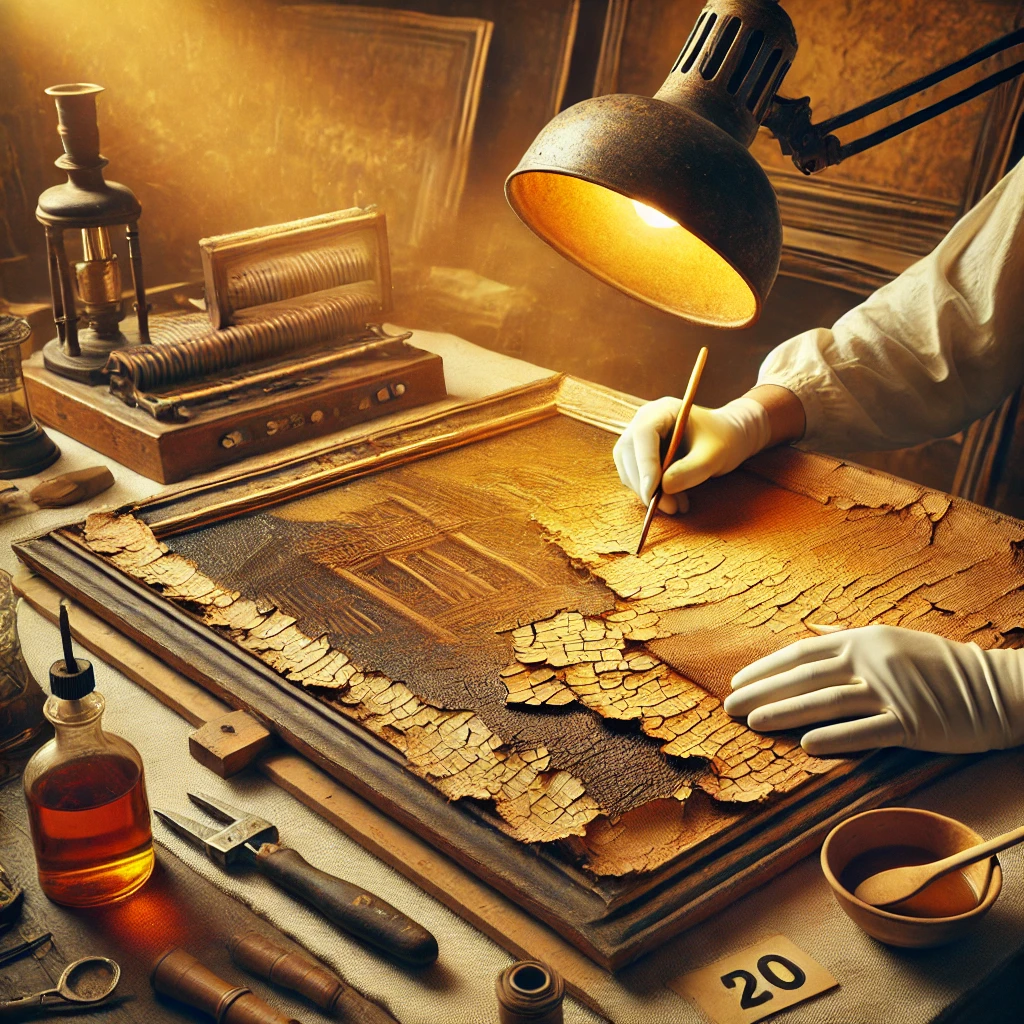
Every restoration process starts with a thorough inspection of your painting. We carefully record all our findings in a technical file. Based on that, you’ll get a clear, well-founded quote – straightforward, with no surprises.
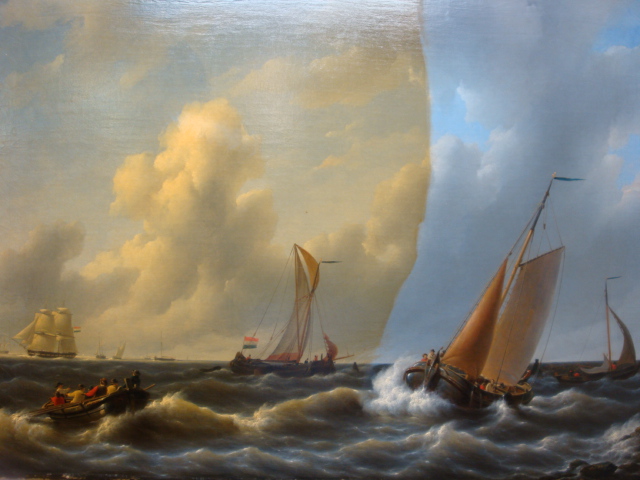
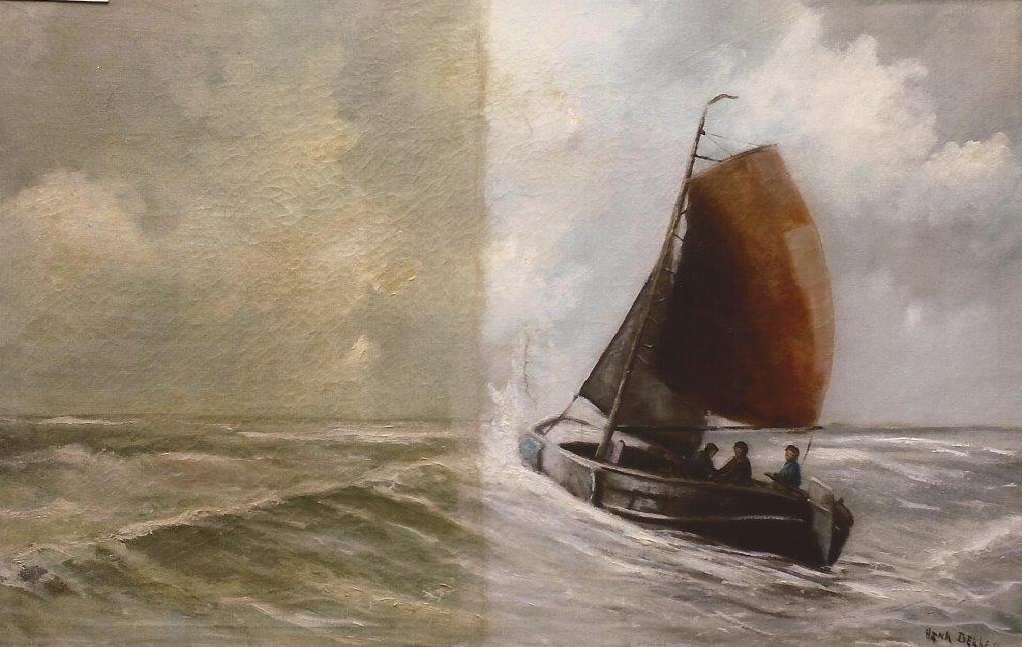
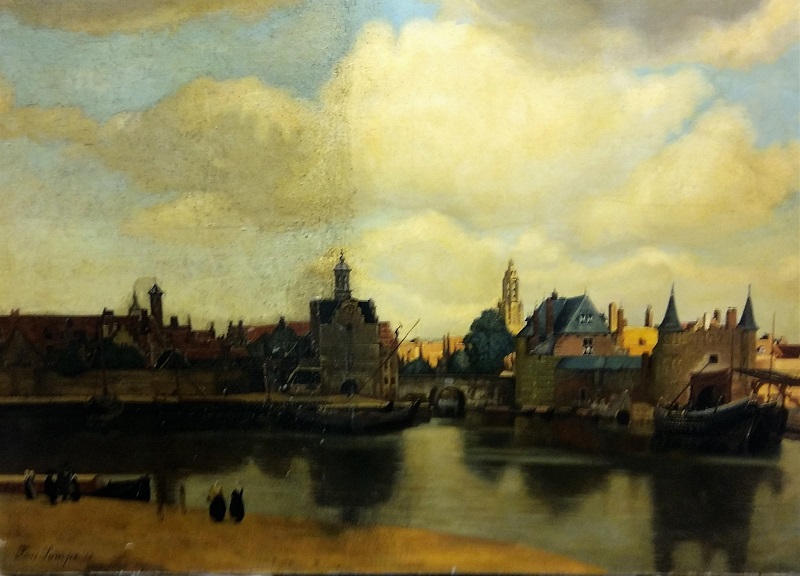
The existing varnish layer is checked and professionally removed. This makes any previous restorations visible and allows us to make an accurate assessment of the painting's condition.
We determine whether touch-ups are needed – for example, for missing or damaged paint areas. If applicable, we carry them out carefully, fully in line with the original colors and style.
Finally, we select the varnish that best suits your painting – matched to the technique, time period, and aesthetics. It's applied professionally for optimal protection and the right look.
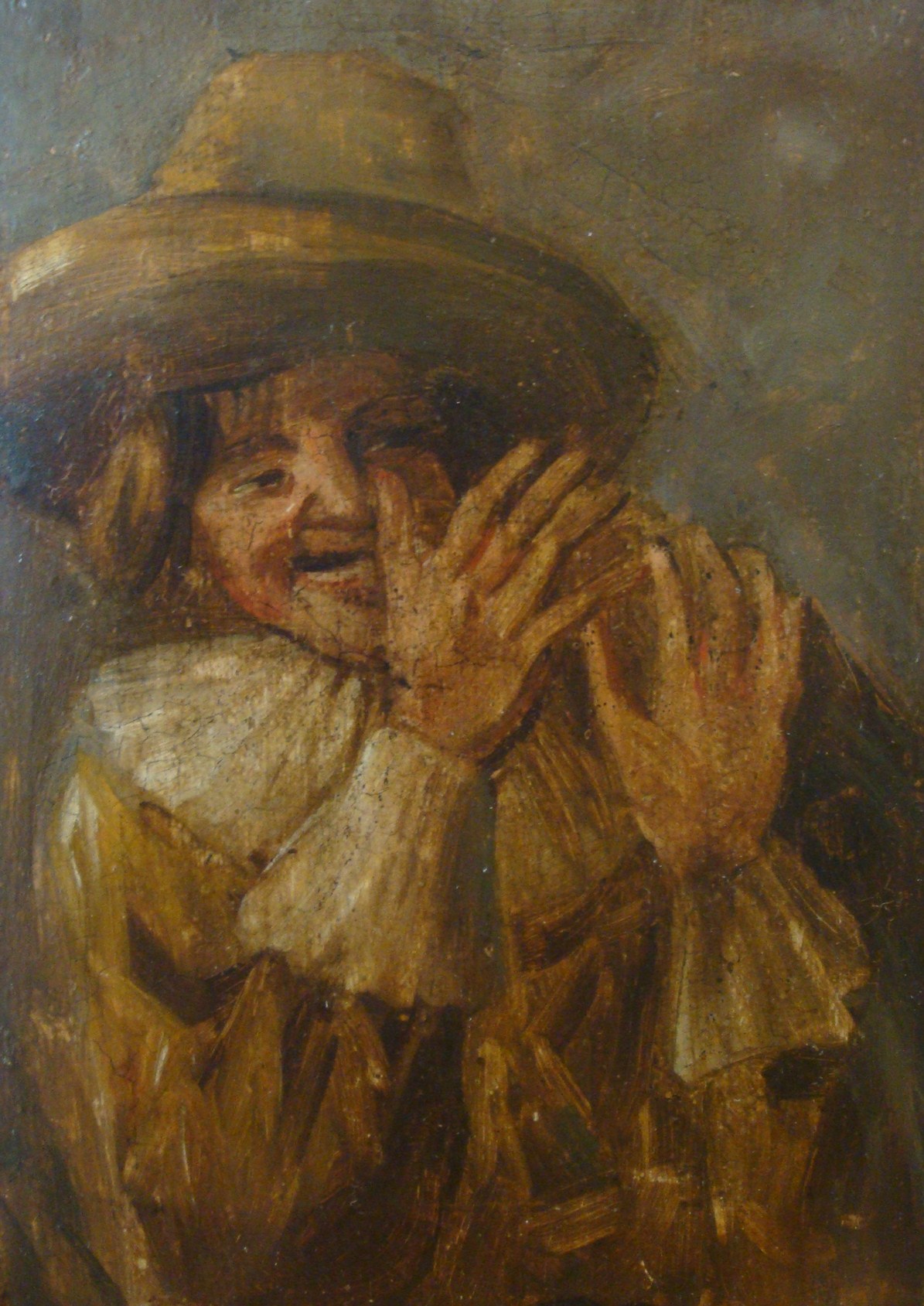
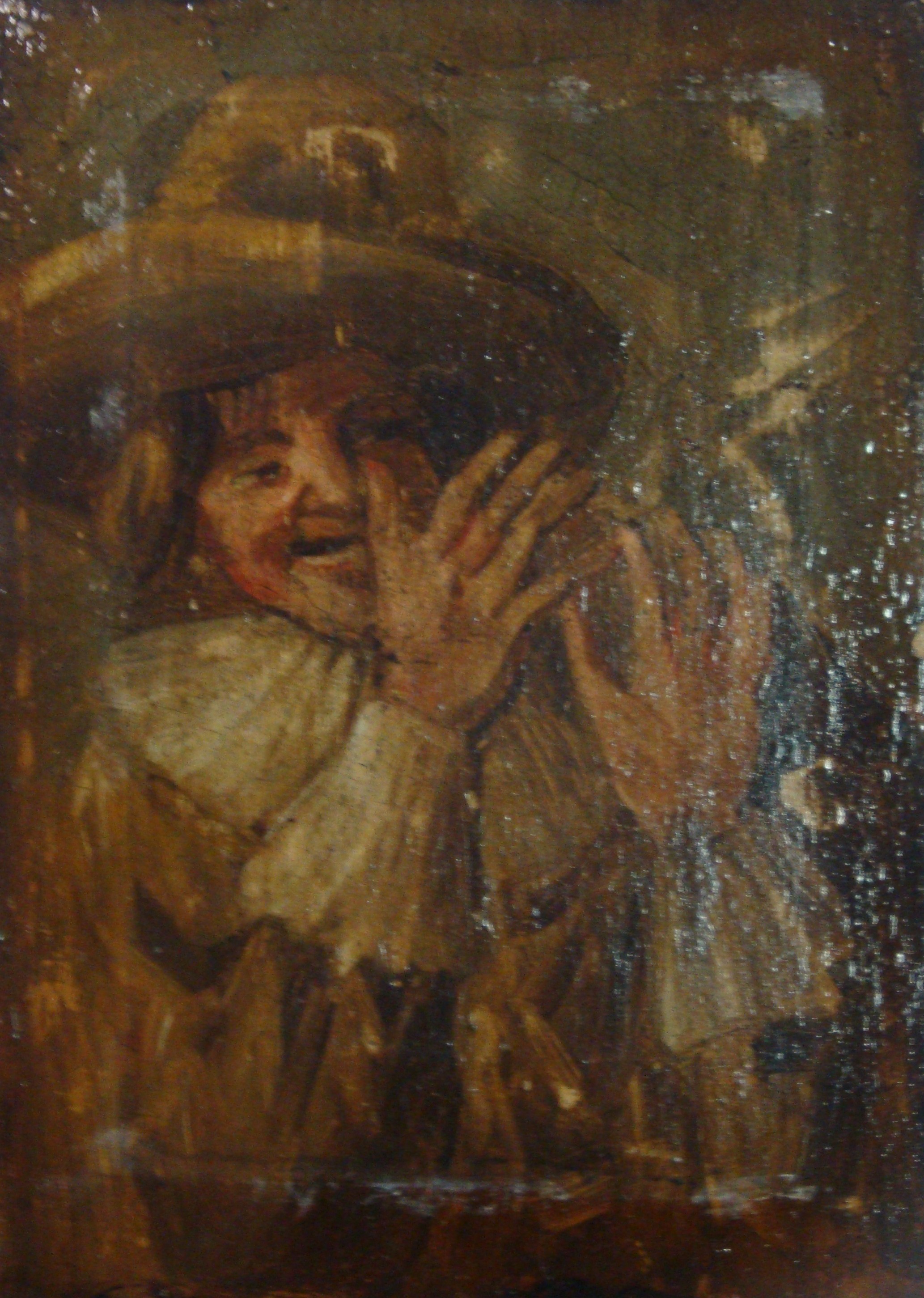
Your painting may have lost its shine or luster for two reasons:
• Due to deposits of smoke or dirt
• Due to the yellowing of the varnish layer.
Our restoration work is focused on this. Often, people simply call it “cleaning,” but professional restoration involves much more. The types of dirt and varnish vary, as do the kinds of paint used and the surface and background textures. This combination requires expert assessment, determining the treatment method, and the duration of the treatment. The back of a painting is rarely visible but still plays a big role in restoration. A painting can also be damaged by dust, debris, and mold between the frame and the canvas. There are no effective home remedies to deal with this. Anything you try on your own can be dangerous, potentially harming your canvas or causing a chemical reaction. It's better to trust your valuable painting to an experienced restorer.
If your painting is done on linen and the linen is in poor condition, it's time for a new canvas. This means the linen is worn out enough that an extra canvas needs to be placed behind it to reinforce it, so it can last for years to come.
This allows any previous restorations to be seen and removed, like pieces of linen that were glued over cracks. Hardened glue residues are also removed.
This is applied tightly behind the original canvas using a layer of wax. The canvases are bonded together through heating. After cooling and hardening, the joined canvases are cut free from the large stretcher frame and stretched back to the correct size. Naturally, tightly and without any wrinkles.
This takes place after the paint has dried; if necessary, a few corrections that turn out to be needed after drying are made, and then the painting is framed again.
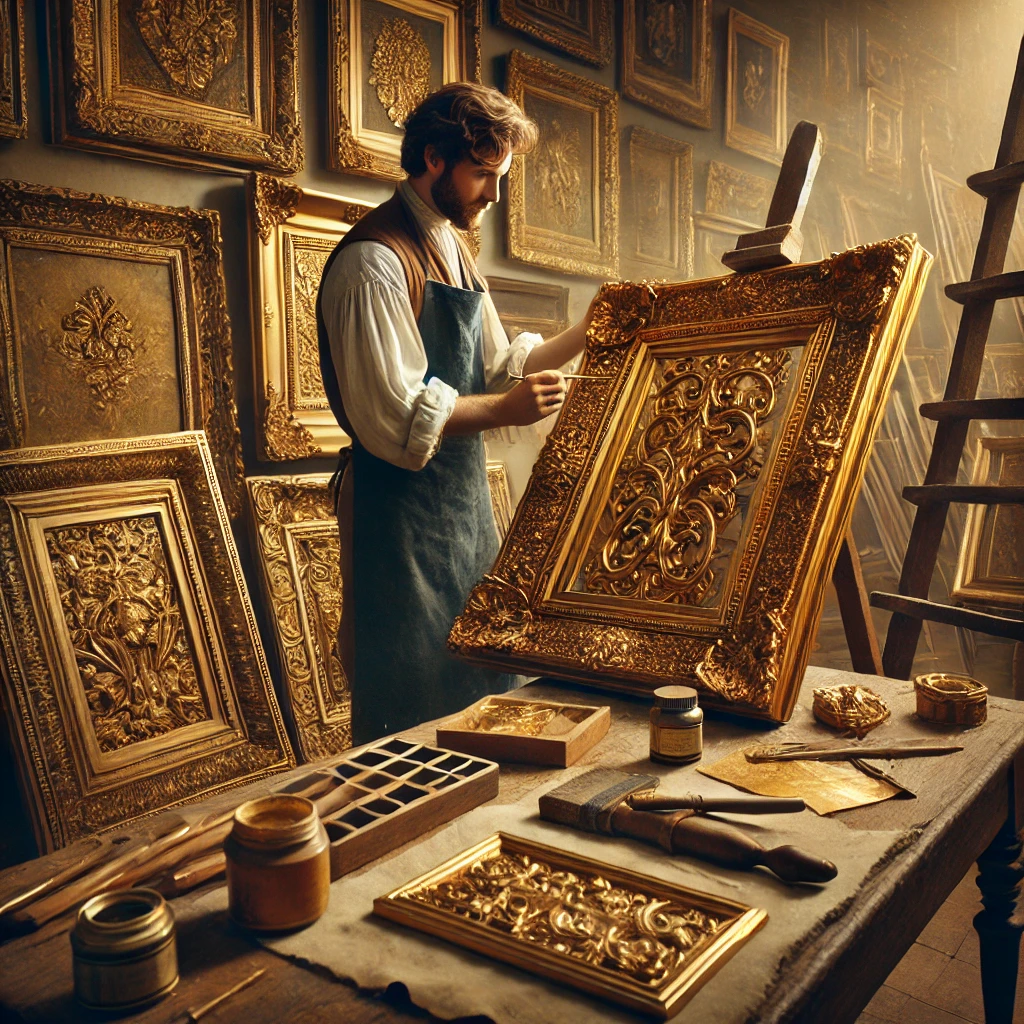
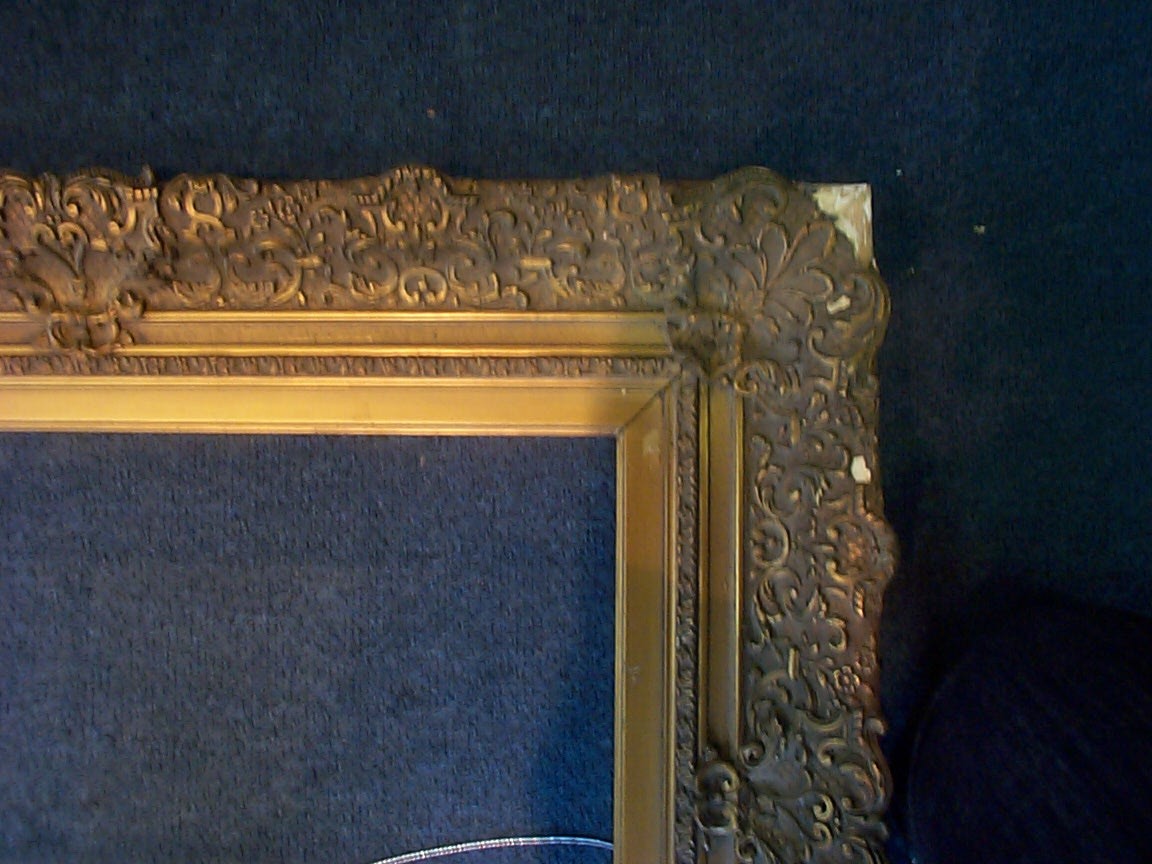
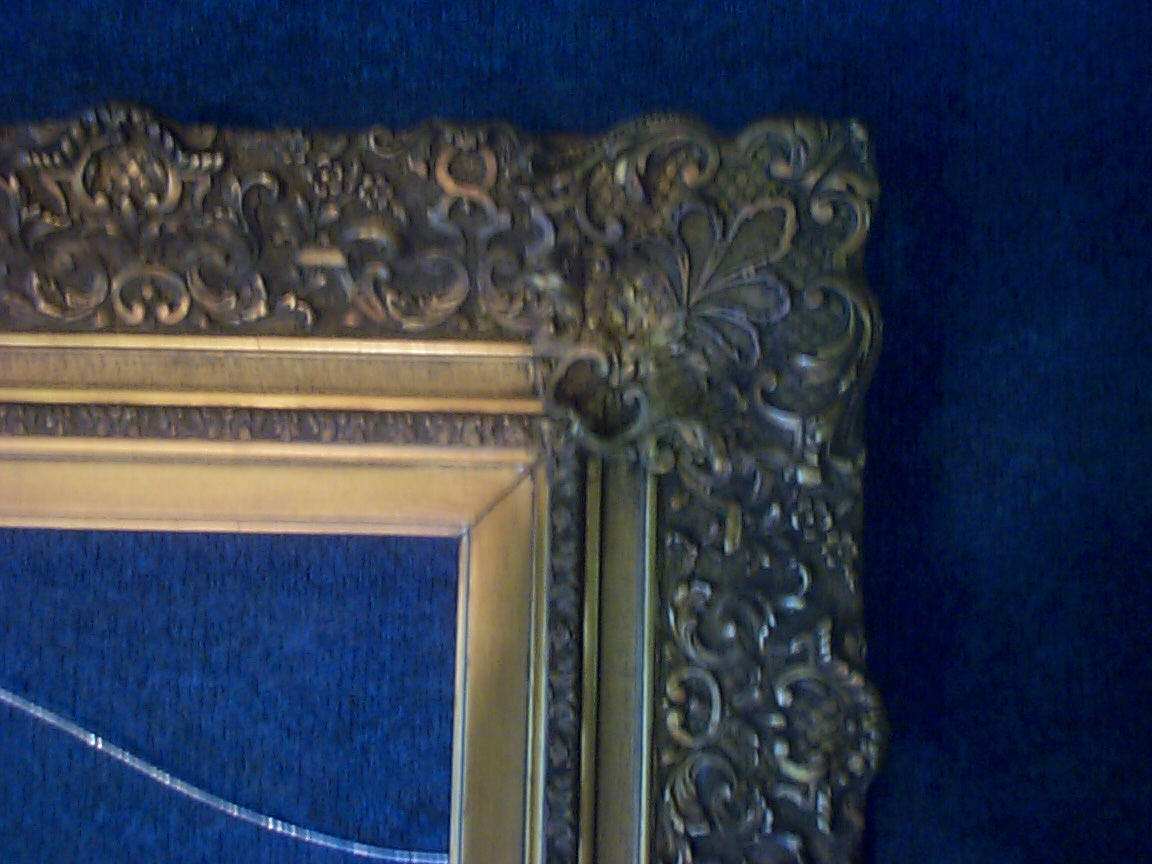
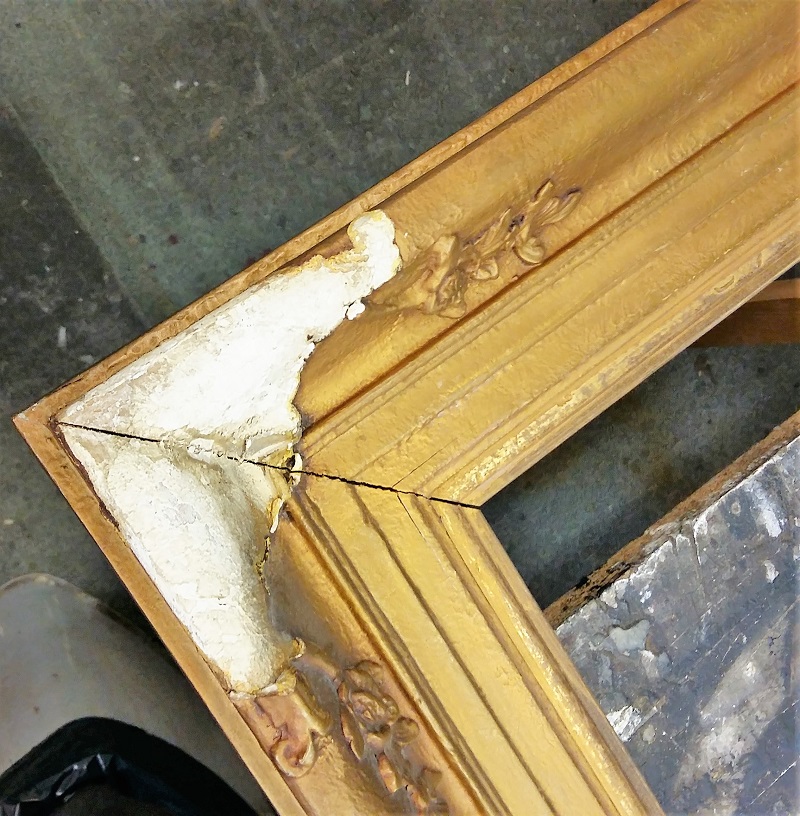
Even if the painting itself doesn’t need restoration, it may still be necessary to repair and/or re-gild the frame. You can also leave this specialized job to us with peace of mind. We need to see the frame first to provide a quote, because the work varies for each frame, so we always look at it case by case. If repair turns out to be impossible, we’ll let you know, and you always have the option to have a new frame made.